
SPOTLIGHT on Michelle Jewsbury


 Spotify

 Overcast

 Castro

 PocketCasts

 RSS Feed

 Apple Podcasts
{TW - domestic violence}
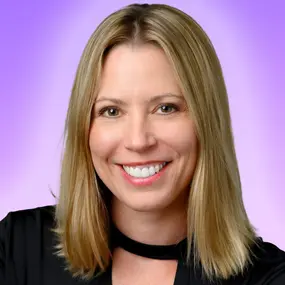
This month, we chat with Michelle Jewsbury, who is not just passionate about supporting survivors of pain and trauma - she is also deeply committed to helping entrepreneurs harness the power of their personal stories for business success. As the founder and CEO of Unsilenced Voices, she has made it her mission to empower survivors while also transforming personal stories into powerful business narratives.
"Through Unsilenced Voices, I not only empower survivors to break free from the cycle of abuse but also engage with business owners, helping them unlock the transformative potential of their own stories. From sharing my own journey to providing practical strategies for turning adversity into business growth, I'm dedicated to supporting entrepreneurs in creating impactful narratives that resonate with their audience and drive success.
I truly believe that our stories have the power to inspire, connect, and transform. And as the driving force behind Unsilenced Voices, I'm committed to helping individuals and businesses alike harness that power for positive change."
Email: michellejewsbury@hotmail.com
Phone Number: 562-506-5866
Website: https://www.michellejewsbury.com
Check out Spreadshop!
http://arthemisclothing.ca - Use SASSPOD for 15% off
https://www.muzmm.com- Code SASSPOD for 20% off
https://www.podpage.com/?via=sasspod to create your own webpage
https://www.buzzsprout.com/?referrer_id=682706 to start your own pod
https://www.lyft.com/i/LISA594490?utm_medium=p2pi_iacc For a Lyft
Get in touch:
(732) 595-2922
sass.n.sips@gmail.com or sassnsips.com
IG @sassnsips
FB @Sass N Sips
Twitter @SassSips
IG @RealSassyLisa
IG @RealsassyBrit
YouTube @Sass N Sips
Podchaser podchaser.com/sassnsips
Clips used in this podcast were used in accordance with the US Copyrights act FAIR USE Exemption for critic...
Hi and welcome to today's special spotlight episode of Assassin's Sips. Today we are joined with Michelle Jewsberry. I am one of your hosts, I'm Lisa. And I'm Agnes. And Michelle has a very nice list of accomplishments. So I would love to let her introduce herself if that's okay.
SPEAKER_00Awesome. Thank you so much, Lisa. Thank you, Agnes. I'm excited to be here. So hello to everybody out there, excited to be joining the Sassin Sips family. Cheers, right? Cheers. Here we go. So a little bit about me. I am a global breakthrough specialist and CEO and founder of the nonprofit organization Unsilenced Voices. And I help people tell their stories through different modalities, including book publishing, public speaking, launching and growing and building your own nonprofit, and also course content and creation. So I'm sure there's questions, and we'll get into my past, but that's uh that's just a little bit about me.
SPEAKER_02Okay. So something that we do on Spotlight is we like to put our guests in the silly seat as a little bit of an icebreaker. So I am going to ask you my silly seat question, which is what music would you choose to play every time you walk into a room?
SPEAKER_00So this is hilarious. Do you guys know who Dave Matthews Band is? Yes. Okay, so I'm kind of a psychotic Dave Matthews Band fan, and I'm literally seeing him 14 times just this year alone. So a good friend of mine introduced me to the band in 2021, and I fell in love. So I literally listen to Dave all the time. I literally just got back from Europe. I saw him in Milan and I saw him in London. And this coming, and I know that this is an evergreen recording. So the end of May, which is still upcoming for me, I'm seeing him five times in Florida. So any Dave Matthews band is uh is my music choice.
SPEAKER_01So that's do you actually like Dave Matthews? I can't tell.
SPEAKER_00Yeah, no, yeah, right? You can't tell at all. Don't know if you like the music. No, I fell in love. If you've never been to the gorge in Washington State, it is this most amazing outdoor amphitheater. And being there three days camping, and Dave never repeats a song in three days at the gorge. So it's literally 90-something songs of music, and you're there and you just fall in love with the music and the atmosphere. And so that's what I do for fun is I I go to concerts and I scuba dive. So there we go. That's pretty cool.
SPEAKER_01You're all kind of cool.
SPEAKER_00Little badass right now. A little psychotic. My friends call me psychotic, but it's it's a lot of fun, you know. I've got clients who I'm like, it's all about faith-family fun or family faith fun, however you want to uh classify that, but fun has to be in that category. We deal with a lot of heavy, you know, from human trafficking and domestic violence and traumas and different types of adversities. So my clients know that fun is something that we teach and we say that it's it's supposed to be that way. You know, God put us on this planet to have a good time and to enjoy one another's company. So, you know, definitely the best time to do that is in a concert. Actually, yeah. Yeah.
SPEAKER_01I think I'm going to piggyback on Lisa's question. Okay. So if that's your intro song, who's the narrator of your life?
SPEAKER_00Hmm. Well, that's a that's a question. The narrator of my life. Morgan Freeman. I mean, if I got to choose somebody to narrate for me, he's pretty iconic. Yeah.
SPEAKER_02Yeah. Yeah. Can't really any do do any better than that. No.
SPEAKER_00I mean, I can say my mom, my dad, and all that Morgan Freeman's voice you can recognize in 30 seconds or less. So I choose Morgan Freeman to like he was God.
SPEAKER_01He was God in um the movie. Whatchamacallit movie?
SPEAKER_02Bruce Al Bruce Almost Almighty. Bruce Almighty. Yes.
SPEAKER_01You know. So yeah, I would totally see. I'm like, okay, that sounds about right. Yeah, I can see it.
SPEAKER_00Yeah, yeah, yeah. Morgan Freeman would be pretty awesome. He'd be pretty great to meet in person as well. Definitely. Him and Chris Pine. I mean, Chris Pine, of course, is well, hello.
SPEAKER_01Yeah.
SPEAKER_00Of course. I love that. So we're gonna try to see the make make that happen.
SPEAKER_01We're gonna put it out there into the podcast world.
SPEAKER_00All right, world. Anybody know Chris Pine, right?
SPEAKER_01That's hilarious. We could do a Zoom. That way we won't have to stalk anybody too much. Just a little bit. Too much. Too much. Just a little bit. So your organization, um, you've taken today's technology and brought it to the forefront as far as like fundraising. And you've made it a little bit accessible to uh was it Gen Gen Z? I don't I don't go, I don't have all the.
SPEAKER_00Gen Z, Gen, Gen, whatever the younger ones are now. Al Alpha?
SPEAKER_01Is it like the Alpha? Alpha? Okay. I think Alpha's a little too young to be giving donations, maybe.
SPEAKER_02Oh I don't know.
SPEAKER_01I no, no, no. I don't know how old they are. Um, with NFTs and cryptocurrencies and all that. How did that what made you be like, you know what? Boom, let me take this and integrate it into UV.
SPEAKER_00Well, Agnes, it sounds like you've done your homework. So 30 seconds. That was that. So uh those of you listening, right? Unsilenced voices was started out of an adversity that I experienced. So I went through four years of a very abusive domestic violence relationship. And coming out of that, I felt God call me to do something even more. So I ended up writing and performing a 65-minute solo play, and that's when people started coming up to me. And unsilenced voices was created out of that adversity of me overcoming domestic violence. So when I started it in 2017, I was actually a bartender. So, you know, cheers to wine. I still love wine and going out and enjoying my myself. But my first mastermind group was literally bar regulars. I would be pouring Jack and Cokes, be like, hey, I'm thinking about starting a nonprofit, right? So at first in 2017, I had no idea what I was doing. I just knew that I had to say yes to my calling. And when I started the nonprofit, um, there was a Ghanaian doctor who said, Hey, go to my country. And I'm like, sure, I'll pack my bags and fly and see what we can do. And we started in Ghana and then expanded to Sierra Leone, where the bulk of our programming still happens. So we helped roughly anywhere from 1,400 to 1,700 people between two villages. We work with sex workers in Sierra Leone and throughout Bo and surrounding areas. Uh, we have savings box programs, educational seminars, all kinds of different things. And then fast forward, right, we've worked in Rwanda in 2022, gifted 33,000 to USA survivors and did a four-city tour. And then all of a sudden, I partnered with a team of people. At that time, it was called Reiko Media, and that has dissolved. But Reco gave me some really brilliant ideas of how we can utilize the technology today to impact countries around the globe. Um, when I first started working with Reiko, I also was very good friends with a man named George Chanos. He is the former attorney general of the state of Nevada, and he does a lot of work in NFTs, cryptocurrencies, and like this day and age of what's happening in society. Well, when I started working with Reiko, they're like, well, maybe you should hold some type of competition and make sure you, you know, accept crypto. And I started to kind of do some research in all of this, and we literally held an art competition in Sierra Leone. And the winner of the art competition, we turned her piece, Momentu was her name, into an NFT that you can buy on Jet Set Token blockchain. So it's not on the open blockchain yet, not on OpenC, which we will transition to that as well. But right now you can buy it on JetSet, and I think it's 150 BNB. Um, and then half of all of the proceeds that are made from the NFTs go directly to the artist. So we we did this to showcase that no matter where you are in the world, and Sierra Leone, you know, it's an impoverished country. Wherever you are in the world, you can actually make an income and use your story, but also use your art in these 2025 advanced technologies to be able to make a living, help your family, friends, and things like that. So it's the very beginning stages. And then, of course, during this process, we have to be able to accept cryptocurrency as donations, and most organizations, most organizations keeping up with the time will accept crypto. But that was that was something that was pretty important. So, you know, you have a survivor of sexual trauma that's created an art piece that is now on the blockchain that people can buy and she can make money from. So it was a long-winded story to your question. No, it was perfecto.
unknownOkay.
SPEAKER_02How familiar were you with crypto and like the technology? Okay. I was like, Yeah, no, because that's that's pretty.
SPEAKER_00So I speak on a lot of stages worldwide. So in 2019, I wrote my first book and began speaking and coaching. So I run unsilenced voices, and of course, we've got a team of people. So these people behind me, right here, this is my team in Sierra Leone. I mean, you're missing. So this is Tejan, right? I I don't know if people can actually see this, but Philip and Christiana. And this team of people, they they are dynamite, right? And it takes a team in order to create sustainable change. So I've got a team for On Silence Voices, and we have a team, of course, uh, for my for-profit business. And when I first started speaking and coaching, I started to realize that you know it's about helping people tell their stories. And it's collectively us telling our stories that we can make a difference. Back to your question with NFTs and things like that. Well, when I first started speaking, that's when I was introduced to the George Chanos and the Jeff Hoffmans and these amazing, wonderful individuals who have extensive experience in cryptocurrencies and blockchains and jet set token, Maverick Bailey, right? We partnered with them in order to curate the NFTs in order to stay with the times. And I think that that's important, right? So that's kind of how that happened when I first started speaking and meeting these people. I started to learn.
SPEAKER_02But that's nice because that's it's encouraging for other people who maybe want to do something like that or get involved and are like, I have no idea. I mean, personally, like me, I mean, I would I would have no idea how to even begin, but it's it's encouraging that okay, but there are people out there who can help you, and it's it's still accessible. So that's really cool.
SPEAKER_00And we actually have talked a lot about building a facility in the metaverse. So, whichever metaverse that looks like, we've talked about the idea of having this facility where somebody can come anonymously, talk about real-world experiences that they're going through, and they don't have to say their names, anything like that. It keeps them safe. And then be able to get the resources that they need, whether it's shelter in certain areas, whether it is financial means or any type of other types of assistance, and be able to utilize that assistance from a metaverse where you literally are an avatar seeking assistance for real-world injustices happening to you. So I think that this is more futuristic, but we definitely have discussed this. We've come up with some grants and worked with some people to help us try to fund this. So if you're out there and you know you like this idea, please connect with me. You can find me Michellejuwsbury.com, again, Michellejuwsbury.com, but please connect with me because we need assistance in figuring this out for sure.
SPEAKER_01And I know you said futuristic, but it's not so futuristic. It's actually technically speaking, it's like it's tomorrow. Yeah. It's just around the corner. It is and a lot of the online banking apps, Venmo, Cash App, all have the option to purchase or and or pay via crypto. So it makes it a lot easier to be uh active and give or to uh it covers the gamut for all generations and how because even me in my old age, I'm using Cash App more often than I use in my bank and it's it makes it more accessible for the people to receive the assistance and also people to give it. Yeah. Like, wait, I gotta send a check. What's that? Or I gotta call like it's uh our our tried and true methods aren't so tried and then that's we like, I don't know, I don't want to.
SPEAKER_00Yeah, and with this Amazon day and age, right? Amazon is one click to purchase. It's literally buy now and you're purchasing now. So we are in this microwave society that's even faster. The older we're getting, the quicker things are becoming. And we are in this society where we have to make things very accessible and easy for potential donors, even for survivors, you know, being able to teach and train as well. Do you only work overseas or is okay? Yeah, no, we don't. So in 2022, we gifted $33,000 to USA survivors. And those individuals were primarily women, survivors of sexual violence, domestic violence, and human trafficking. In 2022, we also did a four-city tour called A Blanket of Hope. And in that tour, we focused on the main hubs of human trafficking in the nation, in the USA. And that's Tampa, Dallas, Los Angeles, and Las Vegas, right? These are main hubs, and traffickers are working together in order to expand their $300 billion a year empire. And that's how they think of this human trafficking, right? And the reason why I talk a lot about human trafficking is 100% of human trafficking victims have experienced domestic violence. So there is, you know, a lot of overlap there. But we've we've done that and we worked and we were working on uh collaborative efforts to be able to join other organizations together. So one could possibly pick up the slack, one you know, could focus on one area or another, and started to realize that these traffickers have this exceptional network and database, and they collaborate. So if the perpetrators are doing this, us and organizations need to do that as well. And then we also developed a curriculum called Graced for Prosperity. It's an eight-module curriculum. Hired Misty Kerrigan, who works out of California, who's worked in the human trafficking and abuse sexual violence industry, I hate to call it this, uh, for over 25 years. And partnering with her, we developed this curriculum to help people overcome their challenges, whether that is DV or sexual violence of some sort, and be able to learn, you know, financial literacy, competency, getting back into the workforce, and also overcoming those challenges. So we have this curriculum, and this curriculum, if you're an organization and you want to be able to teach this, we have workbook, we have trainer's manual, and we have a PowerPoint presentation that people can utilize. Right now it's being tested and tried at the Mary Martha House in Tampa. And we've got a couple other organizations that are possibly interested in utilizing this, but it's you know, it's free. We're paying for this. So if your organization wants to see it, use it, you can go to unsilencedvoices.org. You can also just contact me. You can find me anywhere, Michelle Jewsbury, right? So reach out to you.
SPEAKER_02We're definitely gonna put all your links and um contact info in the show notes too. Right. I mean, that's that's great. That not only is it a resource, but it's I mean, and it's free. There's no excuse.
SPEAKER_00Yeah, no, that no, there's no excuse. And it's just a volunteer can train this, but it's making it to where it's appealing for survivors to utilize the training. Um, and that's the hard part, right? A lot of survivors don't want to come out, and that's what we noticed in our four city tour in 2022. But you know, we're trying. We're we're starting, and you know, you just you you try, you tweak, you try until something sticks.
SPEAKER_01Is it a I feel like it's it's it's just a I don't say a matter for lack of a better term, having the resources out there, letting you know that there are people and the resources for you, the doors open. No one's gonna push you out. But here we are, here it is, here we this is what we can do for you. Um I think it's more like just more of this, more of getting the word out, more vocal. You're doing your your tours that you're doing and all that.
SPEAKER_00Um education is key to sustainable change. And thank you. The the thing is extinct, right? Is is that uh people don't know what they don't know. So even me, when I was involved in my very abusive relationship, I was with this guy for four years and experienced all forms of domestic violence multiple times. I could have lost my life, and um, I didn't know what I was facing at the time. I grew up in a middle class family, I didn't experience abuse. My mom and my dad barely yelled at each other, let alone lift their hands to one another. So when I went through this horrible abusive situation, I had no idea that there were resources. I had no idea, like I said, what I was actually going through. And then when I finally escaped and I performed the play, that's when people, you know, told me their stories. And I was like, oh my gosh, this is so big. Unfortunately, it's it's a huge dynamic and injustice that happens worldwide. So statistically speaking, one in three women worldwide experience domestic violence. They say one in four in the US, and then internationally as well, one in seven to nine men experience abuse. And we're not talking a lot about the abuse, especially the sexual violence that happens to young boys who then grow up to be men, adult men, and oftentimes the cycle of abuse continues because we suppress those emotions for a lot of men, which we need to open up and conversate about some of these things that happen, so that, you know, instead of popping our collars and saying we're all good and we don't need to discuss this, we can have this open dialect. Because if you're not open, if you're not transparent, if you're not vulnerable, and if you don't discuss some of this, then it comes out as adverse childhood experiences where you know you have physical and emotional ailments, you're dealing with fatigue and diseases. There's a lot of things that happen because our body will still hold on to the trauma that we've gone through. And it's us up to us to be able to get it out by expressing ourselves. And this is, you know, this is what drives me. This is why we have a book collaboration called Breaking the Silence, Voices of Survivors, where we have survivors coming together. And it's not just DV. I mean, right now for our volume two, the common thread is suicide. So these ailments, these traumas that we've experienced, how they've affected us. And um, it's really all about, you know, speaking up. And that's what I stand for. Tell your story, right? Tell your story. You do it through different modalities.
SPEAKER_02I have a question, and and this this might not be something with a simple answer, but let's say somebody out there is listening and they are experiencing, you know, this kind of abuse. And they're hearing you speak, and they're like, okay, I'm gonna reach out to her for help. What does that look like? Like what happens? You know what I mean? Because I feel like I mean, I'm I'm fortunate. I'm not that's not my life. You know, but as a listener, I can't imagine, like, I I know that there's like all the statistics about how many times it takes for a person to attempt to leave before it sticks. But what does the help look like? You know what I mean? Like what happens when you finally say, Okay, I'm gonna reach out for help. Enough is enough when you finally reach that. Right, then then what happens on the other side of that door?
SPEAKER_00Yeah, and you're right. That's scary. It takes roughly seven times of you leaving an abusive relationship for you to finally break free. When you finally break free, right? You have to be very logical, is not necessarily the word that I'm looking for, but strategic. Right? You really have to be very strategic leaving an abusive situation because that is the time where it's even more likely that you could lose your life. So plan, right? Make a plan. If you are experiencing this type of abuse and you know deep down that this is not how you or your children should be treated, this is not the way it's supposed to be. You have this inkling. I want you to plan. You don't need to tell anybody, especially don't tell your kids, don't tell anybody that you are really planning to leave, except for those individuals that need to know. And when you finally escape, it's breaking that tie. You have to stop communication. In some cases, you need to get the police involved. Getting police involved is actually quite important for restraining orders. Um, I sued my abuser for the violence that I experienced. Um, and it's it's being able to take your power back. But your specific question is what that looks like. Okay. So for me in my situation, I didn't have children. It was easier in that sense to leave that abusive situation. And I had people in Los Angeles that I could go and live with, right? I had resources. But during that year of me kind of figuring out how I was gonna how I was gonna leave, I made double payments on my car. So subconsciously knowing that I wouldn't need a vehicle after I had escaped, because financial abuse oftentimes keeps people trapped in those situations. So I knew that I had a vehicle upon escaping, and it was paid for an entire year after I had left. Now it's just those little intricate planning measures that are super, super important. And then surrounding yourself with individuals that can help you case managers, um, police officers, different organizations. There's a lot of nonprofit organizations, um, especially in the United States, that can provide direct resources, you know, whether that's through case management, whether that's through, you know, attorneys, whether that is through, you know, housing and childcare, things like that. So unsilenced voices in the United States is primarily a resource for education and awareness, right? We don't have direct services. Now, overseas we do. Overseas we have counseling and medical treatment. We've got um uh a program called Matilda's program, where we actually lost one of our girls and named this program after her called Matilda. And it's all about helping sex workers get off of the street. Those individuals have experienced extreme forms of violence and sexual abuse and domestic violence, getting them off the street and teaching them a skill and encouraging them that they don't have to sell their bodies, but they can sell their clothing that they make or their beaded bags that they make, things like that. So there's resources out there, and it's you have to do the research and then find organizations that can help you. So if somebody were to contact unsilenced voices, I would find an organization, refer them out, refer them to maybe an attorney or a police officer, things like that. But the biggest thing is you have to plan strategically in order to leave safely. And people have to remember that because we don't want death to happen instead. Yeah.
SPEAKER_02It's so it's so so messed up, like all this the stories that you hear of like even something so simple as like you know, somebody calling for help, and then it's like, okay, well, if this is a situation and you're scared, but he or you know, no case she didn't do anything to you. So we can't do anything about it. And you can't do anything about it until there's violence. But then at that point you know, or the person who's calling for help is calling for help, but then okay, well, we can't make so-and-so leave their home, so you have to go. And it's it's hard. It's so hard. And I I I'm not I'm not as well versed as you are, but just f from the things that I've read and I've seen, it just seems like there's so many obstacles in the way that it's it it programs like this are so useful, so you know, valuable. Yeah.
SPEAKER_00Yeah, there are a lot of obstacles, right? There's a lot of hoops, you could say, um, really in anything, though. So I get a lot, so I do run like the for-profit and the nonprofit, right? So a lot of the for-profit, that's you know, our book collaboration, that's the training called Legacy Camp to help you, you know, tell your story through books and speaking and things like that. And um, it's interesting how many people come to a course, or originally we are introduced and we have a conversation, and they think that what they have experienced may not be as extreme, or that who would want to listen to them, right? Imposter syndrome that happens to everybody. Successful people talk about this all the time, right? That there's still this imposter syndrome. I don't care if you're making 10,000 a month or 10 million a month. There is still this thought process where maybe we're not good enough. Maybe, you know, our voices don't need to be heard. Maybe our abuser, what they said to us, was accurate and correct. And then the biggest thing that we have to do as survivors is we have to really acknowledge, you know what? My story does matter. It is worth the obstacles to overcome these challenges and really start to work on self, right? Ourselves, taking responsibility for our actions. Like in my case, you know, I took responsibility, I stayed for four years. You know, I could have left, but I thought I loved him and I thought that I could help change him. And there were these things in the way, codependency, all kinds of different situations that happened in that relationship that kept me trapped, but that was also a choice. And that's something that we have to realize. And then once escaping, it's you have to dive into therapy, counseling, whether it's traditional or non-traditional. You know, you can use different modalities like dance and music and different types of healing, art, painting, sculpting. Um, but really for me, it's speaking, you know, telling our stories. And that could be taking a pen to a piece of paper and doing stream of consciousness writing, being able to just get out what is in your head. And that's probably the very beginning stages of that healing process. And then for me, you know, the rehearsing of my play, where I literally beat myself up over and over and over again, where I rehearsed it five, six days a week, of me showing an audience where I was raped and beat and these horrible situations, throwing myself up against a wall and going through that in a theatrical type of way helped to heal me quicker. And then, of course, diving into eight years of therapy. This is why I'm able to sit here today and talk about my story and as a survivor, understanding that there are other individuals that have experienced what you've gone through. Your voice matters, your story matters. You can stop the generational cycle of abuse and it can stop with you, but it takes you putting in effort in order to overcome those types of traumas, right? And um, and it is up to us. And we take responsibility for what's happened to us, but it doesn't have to mean anything. We have to learn to forgive, but that also does not mean that you have to hang out with the person, be around that person, any of that. The forgiveness is for us. It's for others, right? Right, so that we can unclench our fist so that in a blank slate, God can fill us with what he wants us to do, in spite of or because of our stories, oftentimes. Wow, silence.
SPEAKER_01You guys I thought she was gonna say something. I have a bad habit of being overexciting, cutting Lisa off. Um so you have regular old Joe, J Mo, Lisa, Agnes, and someone says, Hey, how can I be what's the word I'm looking for? My brain shutting down. Helpful. How can I be helpful? How can I be a resource? How can I be a support to someone who comes to me, a friend, an acquaintance, a neighbor? What can I do?
SPEAKER_00Two things. If you see something, say something. Right? If something is happening where you have an inkling, if you he see, you know, somebody hurting somebody else, if you see something, say something. There's um there was uh this TV show that I was watching. It was, uh I think it was NCIS, um, where they showed this violent situation that happened. This woman was being raped in Central Park, and there's apartment buildings everywhere. I'm sure she was screaming, right? Somebody saw something, but they never said anything. Right? It happens all the time. So when you see something, say something, call the police, get a uh a wellness check done, um, say something. In other situations, you know, you can if you're a friend of a of a guy who you know is beating his girlfriend, hey bro, why are you doing that? Right? Hey, you know, I don't think that's cool, right? So that's the first thing, right? If you see something, say something. Secondly, you can always keep your door open. What I mean by this, when I was going through my abusive situation, I lost a lot of friends. A lot of my friends told me to do one thing or another. They saw the violence, although I wasn't telling them I was going through the abuse. They're like, oh, you're changing. Why are you always wearing sunglasses and long sleeves? Something's going on. Well, if you fast forward, a lot of these friends, after four or five years of me being in this abusive relationship, uh, Michelle's just not going to listen, we're not gonna be friends anymore. So when I finally broke free from my situation, I had lost all of these opportunities for safety. And I want you to understand if you know somebody experiencing violence, it is a cycle to get out. It doesn't just happen overnight. We can think from an outsider, why is that person staying in that violent relationship? Why is this person doing that? Right? We can blame the victim all we want. However, it is a cycle to escape, right? It is a cycle to realize and understand what you're experiencing. So always keep that door open. I don't care if it's five years later, they finally realize, wow, you were right all this time. Open that door and and be that safety nut that they may need.
SPEAKER_02I have a question. Um I had a situation with um, a friend of mine middle of the night, you know, kind of get the phone call like uh come and get me. Okay, on my way. The thing that I am I guess like unsure of is how do you approach it afterwards? Is like, do you call it out for what it is, or do you just kind of say, you know, I'm always there for you?
SPEAKER_00It's hard to give advice to a survivor when they're not ready to hear it.
unknownRight?
SPEAKER_02I mean, do you ask them flat out? Like, I know like for suicide, you know, you're supposed to confront it and say, Do you have thoughts of harming yourself? Because being around the bush, you know, like I have a degree in psychology. So you know, I know like these are the things that they teach you for like self-harm, but but they don't really teach you about helping a friend who may be in an abusive relationship. So do you say, Are you being hurt?
SPEAKER_00I mean, is that an appropriate question? It can be an appropriate question, right? An appropriate response to those experiences. However, in a lot of cases, when you approach a domestic violence victim and you say, Hey, are you being hurt? They will start to ignore you. So you will actually be ostracized because they subconsciously know, yeah, I'm being hurt, but consciously, most of the time, it's like, I don't know what you're talking about. I'm not gonna, I'm not gonna talk about this. This this didn't happen. I triggered him. It was it was an accident, things like that that happened. So, in order to keep the dialogue open, Lisa, when you first said this or introduced this question, you literally just say, Hey, just letting you know, I'm just always here. And eventually they will open up to you. Eventually that will happen. It may take, you know, three weeks, it may take three years. However, they will start to open up, and that's when you have that opportunity to really give them help. But you can't help somebody who is not wanting help yet. Yeah, right? I mean, and and with suicide, right? Like I said, the common theme for our volume two book collaboration, unfortunately, is suicide. A lot of our authors are talking about loved ones who have committed suicide, oftentimes in front of them. And this is why it's so important to be able to write your story and be a part of an anthology. But with suicide, like you said, yeah, you want to say something, but you also don't want to push them to the point of actually committing the suicide. So it's the proper use of dialogue, which is helpful language instead of demeaning or or blaming types of language where you can say, you know, hey, I I'm here, I I noticed that maybe you're not yourself. Do you want to talk about it? I'm I'm here and open for you, things like that. Where you're not like it's almost where you're you know, walking on eggshells to make sure that you don't blow things past the point of no recovery.
SPEAKER_02Yeah, I mean, um in in that instance, um, this was a a few years ago, and thankfully, eventually that relationship like fizzled. Um, I don't I don't know the extent. I know that there were like some drugs involved and it it was like a huge mess, but after that night I mean it was like she kind of kept me uh a little bit at arm's length, and it was something that it was like taboo. Don't want to write. Don't um Agnes knows who I'm talking about, but like I don't want to call her out or anything, so I don't I'm pretty sure she never talked about it with you either. Like it was just never never brought up. How do you you know like you come to my home in the middle of the night to get away, and it's like, but we're not allowed to talk about this. Okay.
SPEAKER_00You have to leave it up to them, and I know that's difficult. It's so hard. It's so hard. It is so hard. So I'm gonna tell you a story. I think we have enough time. So I um I was volunteering with an organization called Back to Back. This was back right after my daddy died, so this was 2015, and I traveled to India, and while we were in India, we went to the school, and the school was right next to a garbage dump. You walked off the bus, and the the stench was rotting garbage all around you, flies everywhere. But we go into the school, and these kids so badly just wanted to be loved, to be played with, to talk to, right? And almost, I would say, 20 minutes after we arrived, our leader came in and said, we have to leave right now, and rushed us out without us being able to hug the kids, say goodbye to the kids. We had to run, covered our hair, right, and ran back to the bus and took off as fast as we could. And it was later unfolded that people weren't liking these Americans coming in and helping these kids. So we were in danger, so we had to leave. And I sat next to a woman on that trip on this bus, heading back after leaving this orphanage and the school. And I was like, why are we doing what we're doing? I don't understand. It's not helping, right? The more that I want to put into this, it's not helping. I don't get it. And she said one thing to me that still stands out to me today. It is not up to us to finish the job. It is up to us to start it, it is up to God to finish it. So to piggyback, Lisa, off of what you were talking about. It is up to us to open that door, to keep that door open for when that survivor or victim is ready to talk about it.
SPEAKER_01And finish it for themselves.
SPEAKER_00And God is going to finish it. Yeah. Yep. So it's very frustrating, right? I I have a lot of clients, I've talked to a lot of individuals where sometimes you just want to like shake away please. Yeah, right. I I I get it, trust me. But that is not what we are here for. It doesn't help, right? We are here to start it, not necessarily finish it.
SPEAKER_02Yeah, I think that's important to recognize is our own limitations. Yeah. But even still that even with limitations, that there is still, there are still things that we can do for others. They just may not be the things that we want to do.
SPEAKER_00Yeah, it's like you speak into somebody's listening. It's it's an entrepreneur, right? I'll use this as an example. And I know we're mixing a lot of heavy with a lot of light, but it's kind of important to talk about all of this, right? Right. So, um, you know, as an entrepreneur, we typically advertise based off of what we think is going to happen. So we're speaking into our own listening, not our clients listening. Right. Right. So when we start to shift and understand that it's about serving other people, and we may not want to do something, right? I want to travel the world and just work from you know the beach every day. And listen to Dave Matthews Band. And listen to Dave Matthews Band, right? Which I can do, right? Certain times, certain places, but my audience doesn't always want that, right? My audience also wants to see that I can work and be consistent and be transparent and be honest and all of this. So, in order to do proper advertising, you speak into your clients listening. You understand that your clients sometimes work nine to five jobs or nine to eight jobs, you know, they have families at home and they want to know that you understand them where they're at. So when you're speaking to a survivor or speaking to a victim in a situation, when you're speaking into their listening, when they're ready to hear certain things, when when you when you talk openly and maybe even giving some experiences that you may have been through that you've seen, it kind of talks and speaks to their listening, where they feel more empowered to talk to you and have an open conversation. Instead of us saying, Well, you should leave that person. I don't understand what you're doing. Why are you staying? Right? That is what will perpetuate the violence and continue the cycle of abuse. So speaking into their listening, and this goes, you know, whether you run a nonprofit or whether you're an entrepreneur or an author, whatever this goes for, right? So we're talking about some heavy stuff today, ladies. Just a little bit. Yeah, a little bit. So if you're out there and if you're listening to this, whether you've experienced violence, whether you're going through adversities now, know that you're not alone. And I think this is the main point that we should hit today is that those individuals experiencing these types of violence, these types of situations, know that you're not alone. Know that there are people out there, there's resources out there that can help you, that can assist you. There's 8 billion people on this planet. They say 50% of entrepreneurs deal with a mental health condition. They say statistics, right, with domestic violence and trafficking that we talked about, sexual violence, men and women, right? As we're not even talking about the LGBTQ community, and they have like the highest numbers of domestic violence, suicides, things like this, right? It's up to us to collectively work together and love. One another so that we can help each other heal and know that you're not alone. And this is why open dialogue is so important. I speak on a lot of stages, right? I've rubbed shoulders with some individuals who they say one thing in front of the curtain and another thing behind the curtain. And it is up to us now to stop that because it's only through authenticity that we can change the dynamic of what is happening. So it's up to us. And that means if you are listening, if you're experiencing these things, or if you have experienced, it's now time for you to start talking. And I know that's a that's a big burden to carry. Sometimes we're not ready for 20 years, and that's okay. That's okay. And I want you to know that too. Okay. But it is now up to us. If we've been able to overcome something where we know other people are experiencing that, it's now up to us to speak about it, to confront it, to help in any way that we can, because our experiences can help another person and change that domino effect, right? That generational abuse.
SPEAKER_01I love so you actually start, you actually hit a point. What I was going to say. Our key points for this is, and you said it, speak up. You people are listening to you. People care. You see something, say something. Keep your door open. And what else was anything else? Um that you're not alone. You're not alone. That was the one, you're not alone. Right.
SPEAKER_02And it's okay how long it takes you to be ready to share.
SPEAKER_00Yeah, yeah, it's okay. You know, I know people who it's taken them 40 years to finally talk about some things. And um, you know, it's up to you to get the help that you need. And counseling and therapy, it really does work. Maybe you might have to go through five or six different therapists. That's okay. But talking about those ailments can help heal you and those around you, and break the cycle, and break the cycle of violence, yeah, of trauma, of adversity. Yeah. Oh, what a great podcast. This is great. Let me know.
SPEAKER_01I did an amazing time with you. I have to say thank you for reaching out to us. Yes. Because I was just like, oh, wait, someone, I'm not gonna lie. I'm like, oh my gosh, someone wants to talk to us. Um disaster syndrome, right? I was like, does she text? Did she email the wrong people? Like, I was no, it's lovely.
SPEAKER_00And I I think that more exposure is going to help everybody. And this is why I speak, right? This is why I travel the world. This is why sometimes I, you know, want to beat my head against the wall and I want to grow and figure this out, but it's not about Michelle Jewsbury. It's about how we can work together. And in order to do that, right, exposure is key. Talking transparent is key, being able to get the word out and understanding. See, we are talking about some heavy things: domestic violence, sexual violence, adversities, trauma, right, human trafficking issues. These are heavy things. But we can have an open dialogue together, understand what is going on, and still be ourselves, be happy, be honest, be humble about being able to change these injustices. And I think if more people get the education, hear podcasts like this, right, participate in events, they start to know that okay, it's safe to speak up. We can stop a lot of this that's happening.
SPEAKER_02Right. And and that you may not be the only person experiencing whatever you are experiencing. There's other people out there who understand, who can listen, who can help. And you can still have fun afterwards.
SPEAKER_01Yay, as you're drinking. I think a lot of it has to do with all drinking wine and uh, you know. A lot of our uh parents and their parents and uh these things were just you don't talk about it. You don't talk about it. You slept under the rug and you just kept your head down, you kept on going. So uh if you don't talk about it, people don't know what uh it looks like. They don't know you can't see the forest with the trees, they don't know what it is uh what the abuse are, what the with the red flags are, so to speak. Yeah, because no one was allowed to speak to it or speak about it. We slept on a rug. And now that I gotta say, the last what, maybe I don't know, much so like the last 10, 15 years, it's become very vulgar. And people actually like, no, this is my story, this is who I am. And I would like to and it takes it's a long time to break that off. I don't talk about it habit. Yeah. But with technology and we have we have Zoom, we have social media, we have everyone is right next door to you. So it's easier to to see your neighbor's story. I think we are a global humanity. Thank you. That's what I was trying to do. That's and thank you. You might keep you my dictionary today.
SPEAKER_00No, but this is important. This is what so if I wasn't doing what I was doing, I despise single-use plastics and styrofoam, right? I have been to when when I was in the slums in Ghana, just seeing and witnessing these mounds of plastic, and especially in other countries, and now there's like a Texas-size mound of plastic in the ocean, what we're doing. I mean, it's it's awful, right? I would choose to end a lot of that. My point here is we all need to choose something. It doesn't matter what that looks like, whether you are against plastics, abuse, animal cruelty, um, carbon dioxide, monoxide that goes into the air, you know, what's happening with global warming, whatever this is, if we all chose something to fight for and fight against, we would not see all of these problems that we're facing today. So you're passionate. I'm just like, ah, pick one, pick one and be part of it. And that's what I was saying. You know, what happens in China will affect us in the United States, right?
SPEAKER_01I mean, unfortunately, we live in a world where we our our physical person next to you, they'll just turn the back on you. That being said, I think it's great that we do have access to one another around the world that to show that you really aren't. The person next to you might not be there for you, but the person you still have uh millions and thousands of gazillion other people that have your back, one way, some form, somehow.
SPEAKER_00I like gazillions. I'm gonna use it. That's great.
SPEAKER_01That's great.
SPEAKER_02We we want to be respectful of your time. We know that you're on a time crunch today.
SPEAKER_01Time crunch, yeah. Do you have a busy day today?
SPEAKER_02So, you know, aside from just thanking you for hanging out with us today and and talking with us and just sharing your wealth of knowledge, but we also want to know like anything that you anything else or fun that you have like planned for the future? Oh, yeah. What's coming new for you?
SPEAKER_00So, like I said, I know that this is evergreen, so I'll talk about some of the things that we have coming up in the near future, but also, you know, in the far future. So our breaking the silence, voices of survivors book collaboration is something that we really are focusing on. So we published volume one in January of this year, which is 2024. Number one bestseller on Amazon. We are hoping to get picked up by an actual publisher, but we're publishing volume two October of 2024. So please support right these authors, uh, get profit share. So I think that it's important that we are one of the very few anthologies that offer that because it's not my stories, it's your stories that are selling the book. Um, and then you know, we're doing this anthology every year. So whether you're hearing this in 2026 or whether you're hearing this, you know, tomorrow in 2024, we're looking for authors. Uh Legacy Camp, which is being revamped to tell your story with Michelle, same, you know, same links, legacycamp360.com, or you can go to Michellejuwsbury.com and find more information. Um, but it's really if you're ready to speak up, we can help you do that. And that's book publishing, public speaking, course content and creation, right? And then there's a small aspect that helps you to launch grow or build a nonprofit organization. So those are our main things. In the end of July of 2024, we have a virtual summit called Breaking the Silence Summer Summit, where we have authors from all over the world telling their story of overcoming adversity. So this is a free event for people who want to come and attend. If you want to speak, you can connect with me and we can discuss and have an interview to see if that's a proper way for you to be able to tell your story and share. With unsilenced voices, we built a cassava processing facility early last year with the Fixers TV show. So you can actually find us episode four, no, uh episode two, season four. So season four, episode two on the fixers on BYU. Uh, but we have cassava that's now ready to be harvested in some of our villages to help provide financial stability, economic stability to not just the women, but the men as well, because it takes a team. Uh, we would love to expand. So if you're interested in helping on silenced voices, please reach out to me. In Tampa, we would love to build a day center with wraparound services and emergency housing. However, we're open to different ideas where we can help and contribute. And overseas, I always had a heart for Africa ever since I was a young girl. Um, we want to expand to different countries, and that requires us to partner with organizations, governments. My main goal would be able to help infiltrate the Middle East countries, those Middle Eastern countries that were, you know, the Iran, the Iraq, the Saudi Arabia, the things are shifting slowly, and it's time to help to shift them quicker. So, you know, partnerships, things like that. So, you know, there's events. I'm speaking uh at the now, uh, what is it, the now honors and the power of pink, uh, the Biomed Expo in October. Uh, there's a variety of different things happening and coming on. So join our mailing list so you can find out all of that stuff.
SPEAKER_02Sounds good. We're gonna, yeah, we're gonna put your links and your information in the show notes so everybody can everybody can find you pretty easily. Yeah. Thanks. Good.
SPEAKER_00Yeah. Well, um, yeah, I'm gonna I'm gonna end the last thing because I I do know that we are time crunched. Okay, so one thing that I want to end with is uh I typically end this with a lot of interviews or speaking engagements because it's fun, right? We're talking about a lot of heavy. Now we gotta transition into, you know, we can still enjoy our lives. Um there's a movie called Finding Nemo. Have you ladies seen the movie? A couple hundred times, maybe. I got it, right? So Nemo gets lost, and then there's a fish in this movie. Her name is Dory. Um, I believe that uh it's her characters from Ellen de Generis, right? Right? And you're beating me, Agnes. Don't beat me.
SPEAKER_01I knew where you were going. I just felt it.
SPEAKER_00Yes, I love you. Because uh Dory, even though she gets lost and she doesn't remember everything, she swims around and she sings, just keep swimming. Just keep swimming, just keep swimming, just keep swimming. So I know that this has been you know a conversation that's been wonderful, by the way, ladies, but a conversation that you know can get pretty heavy. And I want you to know that you can just keep swimming. Right? Whether you are going through adversities, whether you, you know, are in the clutches, whether you have, you know, overcome and now you want to use your story, whatever that looks like, right? Just keep swimming. Don't ever give up. Put one foot in front of the uh the other because that's what's important.
SPEAKER_01Okay, so now I'm thinking of revenge of the nerds, and at the end, they're like one foot in front of the other, as they're like building the whatever they're doing. They're keeping doing the house, like painting the house, their friends.
SPEAKER_00That's funny.
SPEAKER_01Yeah, okay.
SPEAKER_00So my very good friend would know that. Revenge of the nerds.
SPEAKER_01Oh, just gonna engage myself. Okay, all right, everybody, we gotta go home.
SPEAKER_00Ditto. So thank you, ladies, very much for having me. Thank you, everybody who listen who uh who are listening to this.
SPEAKER_02Yes. So go to the show notes to find all the ways to get in contact with Michelle. You can also go to sats and sips.com for more about our show. And until next time, we remind everybody to please always drink responsibly. And until next time, we're out of here.
CEO
Here is more information about me:
I'm Michelle Jewsbury, and I'm not just passionate about supporting survivors of pain and trauma - I'm also deeply committed to helping entrepreneurs harness the power of their personal stories for business success. As the founder and CEO of Unsilenced Voices, I've made it my mission to empower survivors while also transforming personal stories into powerful business narratives.
My journey has led me to become an internationally recognized speaker, coach, and advocate. Renowned for my ability to translate adversity into business triumph, I've had the honor of gracing stages across the USA, captivating business owners with my message of resilience and transformation. And now, I'm excited to bring that same energy and inspiration to Canada.
Through Unsilenced Voices, I not only empower survivors to break free from the cycle of abuse but also engage with business owners, helping them unlock the transformative potential of their own stories. From sharing my own journey to providing practical strategies for turning adversity into business growth, I'm dedicated to supporting entrepreneurs in creating impactful narratives that resonate with their audience and drive success.
I truly believe that our stories have the power to inspire, connect, and transform. And as the driving force behind Unsilenced Voices, I'm committed to helping individuals and businesses alike harness that power for positive change.


